
Triggers & Trigger Guards: Small Upgrades That Make a Big Difference
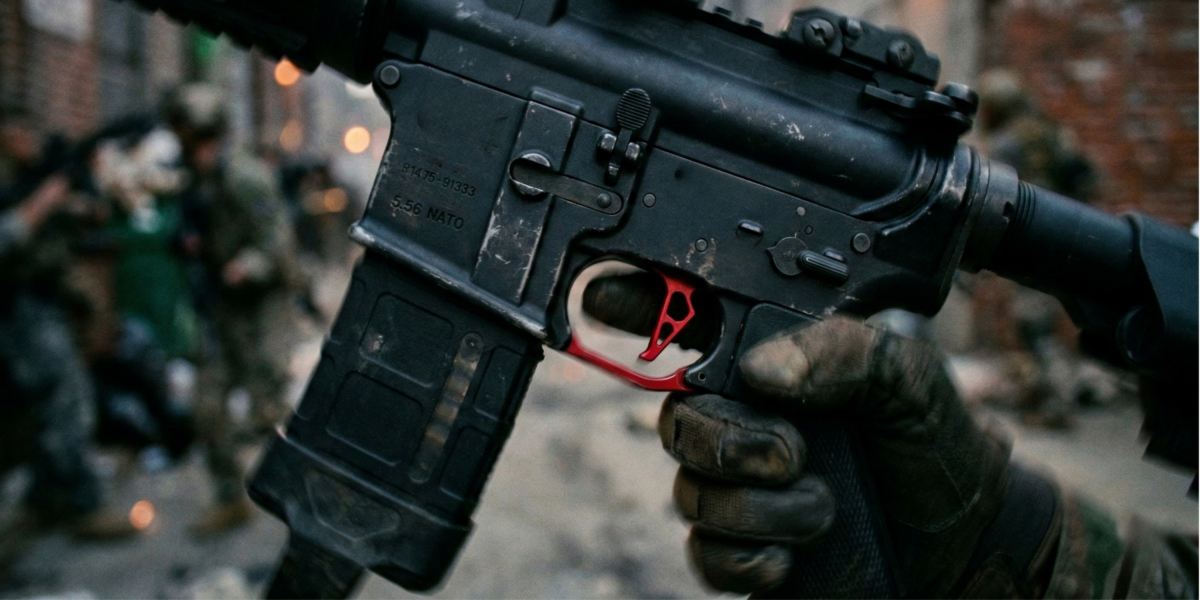
Triggers & Trigger Guards might look like tiny details compared to barrels, optics, or stocks, but they quietly control how every single shot starts. Can swapping them out really change how your gun feels and performs? In our experience, yes – the right upgrades can make your firearm safer, more precise, and more comfortable without rebuilding your whole setup.
Why Triggers & Trigger Guards Deserve More Attention
Most factory guns ship with “good enough” triggers and basic trigger guards. They work, but they are often:
- Heavier than they need to be
- Grittier than new shooters expect
- Less comfortable during long range sessions or gloved use
Aftermarket trigger systems are designed to give you a smoother, more consistent pull so you can focus on your sight picture and follow-through instead of fighting the break. Even budget rifles and carbines can see noticeable improvements downrange from a simple trigger swap.
How easy upgrades are depends on the platform.
- AR-style rifles and modular pistols with Fire Control Units (FCUs) are designed for easy component swaps, which makes trigger upgrades relatively straightforward.
- Most traditional pistols require more involved work. Installing upgraded trigger components can require frame disassembly, careful fitting, or removal of small amounts of material, which is why these upgrades are often handled by a gunsmith.
Trigger guards quietly do just as much work. They protect the trigger from accidental contact and help guide your grip. A better-shaped guard or undercut can:
- Reduce pressure on your fingers during long sessions
- Provide more room when shooting with gloves
- Lower the chance of anything brushing the trigger unintentionally
At GrabAGun, our Triggers & Trigger Guards category pulls together everything from mil-spec replacements to premium drop-in units and oversize guards so you can build the lower you actually want, not just the one that came in the box.
What Exactly Does a Trigger Guard Do?
If you grew up around guns, it is easy to take the trigger guard for granted. It is just “the loop around the trigger,” right? In reality, it is a key safety component.
A trigger guard:
- Forms a physical barrier around the trigger
- Helps prevent objects, brush, clothing, or gear from contacting the trigger
- Reduces the chance of negligent discharges when the firearm is handled or holstered
- Creates a natural index point for your trigger finger to rest outside the guard until you are ready to fire
By design, the guard makes it harder for anything to press the trigger unless it is intentionally placed inside the loop. That simple geometry is a big part of why modern firearms are safer to carry and move with than early designs that lacked guards entirely.
Upgraded trigger guards go a step further:
- Enlarged guards give more room for gloved fingers in cold weather.
- Curved or undercut guards can sit higher against your hand, improving grip comfort and control.
- Integrated or “no-gap” designs remove sharp edges or gaps that tend to pinch your finger under recoil.
It is a small part that directly touches how you grip the gun and how safely you move with it.
Are Trigger Upgrades Really Worth It?
One of the most common questions we hear is simple: “Is an aftermarket trigger actually worth the money?” It is a fair question when you could spend that budget on ammo, optics, or training.
Here is the honest breakdown.
What Changes When You Upgrade a Trigger?
A quality trigger typically improves several key aspects of how the firearm feels and performs:
- Pull Weight
Many factory triggers, especially true mil-spec AR units, land in the 5.5 to 9.5 pound range. They are intentionally heavier to help prevent unintentional presses under stress. Upgraded triggers often bring that down into a more manageable window for sporting use, commonly around 3 to 4.5 pounds, depending on the platform and purpose. - Smoothness and Creep
Aftermarket designs are built to reduce grittiness and the “mush” before the break. That smoother travel makes it easier to press straight back without disturbing your sight alignment. - Consistency
Good triggers break the same way shot after shot. That consistency helps your groups shrink because your brain learns exactly how much pressure it takes to fire. - Reset and Follow-Up Shots
Quality triggers also tend to provide a shorter and more noticeable reset. After the shot breaks, the trigger only needs to move forward a short distance before it is ready to fire again. That clear reset point makes it easier to control the trigger during follow-up shots and maintain rhythm while shooting.
Shooters often describe a better trigger as a “game changer.” The target does not care what parts you installed, but your ability to deliver repeatable, deliberate presses absolutely does.
When Is a Trigger Upgrade Most Valuable?
A trigger upgrade tends to make the biggest difference when:
- You are stretching distance on a rifle or precision carbine
- You are refining skills beyond basic marksmanship
- You are trying to remove variables in your setup
If you are brand new, there is value in shooting a stock trigger for a while. It builds discipline. But once you can consistently call your shots and see where you are fighting the gun, a better trigger can unlock performance that your current setup is hiding.
The key is matching the trigger to the job. A very light, competition-focused trigger that feels fantastic on a bench is not automatically a good idea on a hard-use defensive rifle.
How Triggers & Trigger Guards Affect Different Platforms
While the basic principles stay the same, the impact of upgrades looks a little different on each type of firearm.
AR-Style Rifles
On AR platforms, a smoother, lighter trigger is often the single most noticeable upgrade you can make.
- Drop-in trigger units simplify installation by packaging the fire control group in a single module.
- You can choose single-stage for a clean, predictable break or two-stage for a bit of take-up before a distinct wall.
- Aftermarket trigger guards often fill in the rear “gap” and open up space at the front for gloved work or higher grips.
We stock a wide range of AR-compatible options, including premium drop-ins from brands like TriggerTech, Timney Triggers, and CMC Triggers that balance crisp breaks with real-world durability.
Bolt-Action Rifles
For bolt guns, trigger pull weight and crispness matter a lot at distance. A clean, predictable break reduces the chance of you dragging the rifle off target as you press.
Adjustable triggers that let you fine-tune pull weight within a safe range allow you to balance field safety with precision. Many shooters find that moving from a heavy factory trigger to a well-set aftermarket unit tightens their groups without changing anything else.
Pistols
On handguns, triggers and trigger guards are tightly tied to:
- Safe carry
- Drawing and holstering
- Maintaining a solid, repeatable grip
A quality holster that fully covers the trigger guard is non-negotiable. From there, some shooters choose undercut trigger guards or reshaped frames to eliminate hotspots where their fingers contact the guard under recoil.
With carry pistols, any trigger work needs extra caution. Reliability and safe handling should always come before the lightest possible break. For competition or dedicated range guns, you can afford to push a bit further on pull weight and feel, as long as you stay squarely within manufacturer guidelines and all applicable laws.
How Do You Choose the Right Trigger for Your Build?
With so many options on the market, it is easy to get lost in brand names and marketing terms. A more practical way to choose is to work through a few questions.
1. What Is the Primary Role of This Firearm?
- Home defense or duty use – Prioritize reliability, a moderate pull weight, and generous safety margins over extreme lightness.
- Hunting – Look for crisp breaks and adjustable pull weights that you can set a bit lighter while still managing cold fingers and gloves.
- Competition or range work – You can lean into lighter pulls and shorter resets for speed and precision, as long as you train consistently with that setup.
2. What Trigger Feel Do You Prefer?
- Single-stage triggers give you a straight, continuous press until the break. Many shooters like them for speed and simplicity.
- Two-stage triggers offer a bit of slack, then a distinct wall. Some find that extra feedback helps them prep the shot more deliberately.
If you are not sure, renting or borrowing rifles with different trigger types is worth the time before you commit.
3. How Comfortable Are You With Installation?
Drop-in units are accessible even if you are newer to building. Traditional component triggers offer more options but may require more patience and attention to detail. Always follow manufacturer instructions carefully and function-check thoroughly before live fire.
4. Any Legal or Policy Constraints?
Certain specialty triggers, like forced-reset designs, live in a changing legal environment and may be treated differently by federal regulators or in different states.
Before you buy any specialized fire control component, understand current federal, state, and local rules, and verify that your intended configuration is compliant in your jurisdiction.
When a Trigger Guard Upgrade Makes Sense
Compared to triggers, trigger guards are inexpensive and easy to overlook. They are also one of the simplest ways to fix a nagging comfort or usability issue.
You might benefit from a new guard if:
- You shoot with gloves and struggle to get a clean finger placement inside the guard
- Your middle finger gets pinched or rubbed raw at the back of the guard during long sessions
- You want a higher grip on a pistol or carbine but keep running into the bottom of the guard
- You are converting a pistol for inside-the-waistband carry and want a holster-plus-guard combination that makes trigger coverage more secure
Modern guards come in forged, machined, and polymer forms, with shapes tailored for gloved work, high undercuts, or simply filling in the awkward gaps that some mil-spec designs leave behind.
It is not glamorous, but once you stop thinking about your knuckles and start thinking only about the target, you feel the difference.
Making Small Parts Count
Triggers & Trigger Guards will never be the flashiest upgrades in your build, yet they shape how every shot starts and how safe and confident you feel along the way.
If you value:
- A cleaner, more predictable break
- Better control over pull weight for your specific use
- Safer handling, especially around holsters, vehicles, and tight spaces
- More comfortable grip and less fatigue over long days
then it is worth looking closely at the small parts around your trigger.
At GrabAGun, we stock a deep lineup of Triggers & Trigger Guards across AR platforms, bolt guns, shotguns, and handguns, so you can match the part to your purpose instead of settling for whatever came from the factory. Browse our selection, compare specs like pull weight, style, and compatibility, and when you are ready, have your parts shipped quickly to your preferred FFL or directly to your door where lawful.
If you are not sure where to start, pick one gun that matters most to you and focus on that trigger and guard first. Small upgrades there can have a big impact on how every future range day feels.
FAQs About Triggers & Trigger Guards
1. Do I Need a Gunsmith to Install an Aftermarket Trigger?
Not always. Many modern AR-style and some bolt-action triggers are true drop-in units that are designed for user installation with basic tools. That said, any trigger work demands care. If you are not completely comfortable following the manufacturer’s instructions, checking safety engagement, and doing thorough function tests, it is wise to have a qualified gunsmith handle the install and verify safe operation.
2. What Trigger Pull Weight Should I Aim For?
There is no single “right” number. For a defensive or general-purpose rifle, many shooters prefer something in the roughly 4 to 5 pound range: light enough to be manageable, heavy enough to resist unintentional presses under stress. Precision rifles and competition guns may go lighter, while carry pistols often stay heavier for safety margins. Your training level, mission, and local rules should all play into that decision.
3. Are Aftermarket Triggers Safe for Everyday Carry Guns?
They can be, but only if they are designed for that role, installed correctly, and used within safe pull-weight ranges. A very light “race” trigger meant for competition is not a smart choice for an appendix-carry pistol. For carry guns, prioritize reputable manufacturers, duty-rated designs, and conservative settings. Combine that with a quality holster that completely covers the trigger guard and uncompromising trigger discipline, and you can carry confidently with an upgraded fire control system.