
Side By Side Shotguns: Classic Design with Real-World Performance
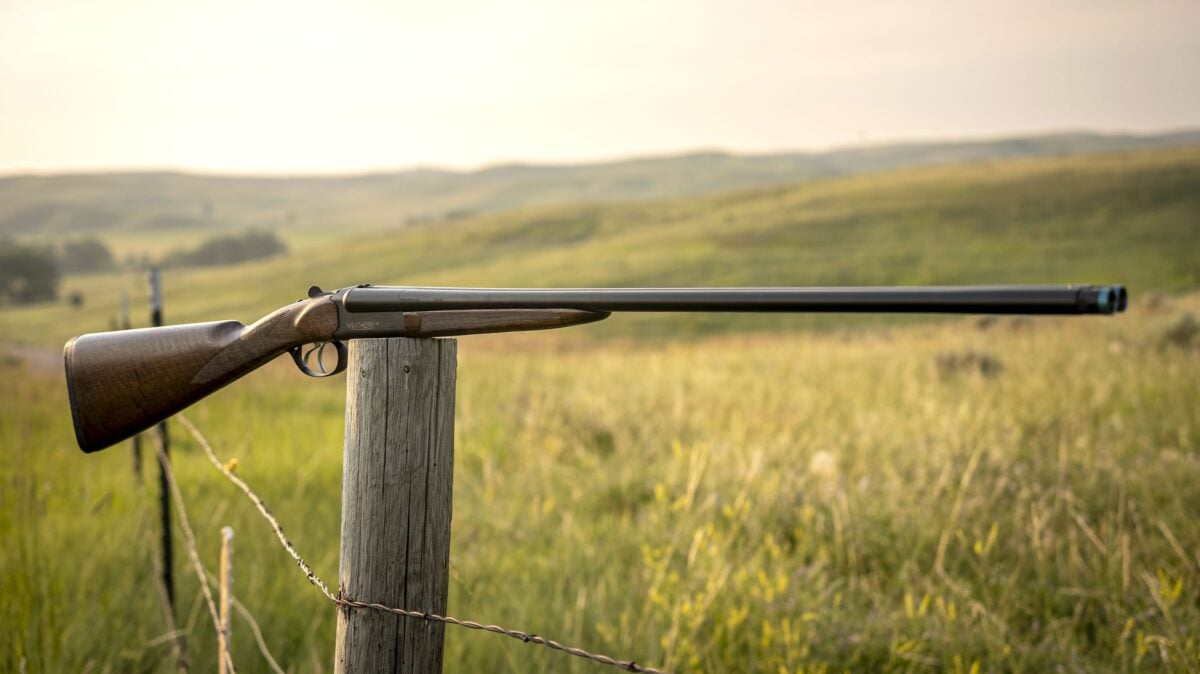
Side By Side Shotguns have a reputation for old-school charm, but are they still practical in a world full of semi autos and tactical pumps? The simple answer is yes – when you match the right shotgun to the right job, a side by side can be one of the most capable and confidence-inspiring tools in your safe.
Why Side By Side Shotguns Still Matter
If you think of side by side shotguns as dusty heirlooms, it is worth updating that mental picture.
Modern Side By Side Shotguns combine:
- A straightforward, break-open action
- Two instantly selectable chokes and loads
- Short overall length for tight cover or tight hallways
- Time-tested mechanical reliability
Double barrel shotguns have served hunters, competitors, and homeowners for over a century because they deliver something modern designs sometimes overlook: simplicity under stress. Break the gun open, see your chambers, load, close, and you are ready.
Today, manufacturers pair that simplicity with features like interchangeable choke tubes, chrome-lined bores, and durable synthetic or nicely figured walnut stocks. At GrabAGun, we stock everything from affordable working doubles to higher-end field guns designed to be passed down.
How Side By Side Shotguns Perform In The Real World
When you move from the spec sheet to actual use, performance is about three things: handling, versatility, and reliability.
Handling: Fast, Natural, And Intentional
Because there is no long receiver or complex action, many double barrel shotguns feel livelier in the hands than comparable pumps or autos of the same barrel length. The balance point often sits right between the shooter’s hands, which helps:
- Mount the gun quickly from a low ready
- Swing smoothly on crossing birds or clays
- Maneuver through brush or in and out of vehicles
A well-fitted side by side tends to “point” where your eyes are looking, which matters more for wingshooting and dynamic drills than raw accuracy. That is why fit and practice matter more than chasing recoil systems or ultra-light triggers.
Versatility: Two Barrels, Two Jobs
One of the quiet superpowers of Side By Side Shotguns is the ability to set each barrel up differently:
- Tight choke and heavier load on one side for longer shots
- More open choke and lighter load on the other for closer work
- One barrel with a defensive buckshot load, the other with a slug, depending on your needs and environment
With a single selective trigger or twin triggers, you can choose which barrel fires first, essentially giving you “two shotguns” in one platform. That is a big part of why double barrel shotguns still appeal to serious hunters and thoughtful home defenders alike.
Reliability: Fewer Moving Parts, Fewer Surprises
Because the action opens manually and the spent shells extract or eject mechanically, side by sides sidestep some of the issues that can affect semi autos:
- No gas ports to foul
- No magazines to dent or lose
- Less sensitivity to load power, as long as it is appropriate for the gun
For harsh weather, dusty blinds, or long seasons bouncing around in a truck, that kind of robustness is not just nostalgic – it is practical.
What Should You Look For In A Side By Side Shotgun?
If you are buying your first side by side, the options can feel overwhelming. Here is how we suggest narrowing the field.
1. Gauge And Purpose
Start with what you actually plan to do:
- 12 gauge: Most flexible for waterfowl, pheasants, and defensive roles where load selection and pattern density matter.
- 20 gauge: Lighter and often handier, great for upland hunters and recoil-sensitive shooters.
- .410 and 28 gauge: Fun, fast-handling options for smaller game, clays, and skilled shooters who want a challenge with light recoil.
If your primary use is home defense, a 12 or 20 gauge side by side gives you wider choices in defensive ammo while staying manageable with proper technique.
2. Fit And Ergonomics
Unlike a rifle, a shotgun is pointed with your body, not aimed like a precision instrument. That means:
- The gun should mount naturally without you hunting for the sight picture.
- You should be able to keep your head on the stock without tilting or craning your neck.
- The length of pull should let you mount and dismount smoothly with your usual clothing or hunting layers.
If you can, handle similar models at your local FFL to get a feel for stock dimensions, grip shape, and the way the barrels sit in your lead hand. Even small differences can make a big difference in your consistency.
3. Chokes And Barrel Length
For most shooters today, interchangeable choke tubes are non-negotiable. They allow you to tune patterns for:
- Tight, longer-range shots in the open
- Wider patterns in thick cover or closer home-defense distances
- Different loads on each side for different roles
Barrel length is more about balance and use than raw ballistics:
- 26 to 28 inches: A sweet spot for many upland and clay shooters.
- Shorter “coach gun” style barrels: Handier for tight quarters and fast mounts, at the cost of some swing smoothness and sighting plane.
4. Build Quality And Features
Look for:
- Solid lock-up with no looseness when the action is closed
- Clean trigger pulls with manageable weight
- Consistent ejector or extractor performance
- Good stock-to-action fit, with no visible gaps or cracks at the head of the stock
From there, it becomes a question of priorities. A gun like a CZ side by side with color case hardening and nice walnut may appeal if you want heirloom looks from a brand with real field credibility.
Are Side By Side Shotguns Practical For Home Defense Today?
This is one of the most common questions we see: are double barrel shotguns actually practical for defending a home, or are they outdated compared to modern tactical platforms?
The honest answer is that they can be – if you understand both the strengths and the tradeoffs.
Where Side By Side Shotguns Shine For Defense
- Simplicity under stress: Break open, load two shells, close, and you are ready. There is no safety selector or magazine to forget to seat under adrenaline.
- Immediate chamber check: Opening the action instantly confirms whether the gun is loaded, and what is in it.
- Short overall length: Without a long receiver or extended magazine, many side by sides are surprisingly compact for their barrel length, which helps in hallways and doorways.
For some households, especially those with less experienced shooters who train for simple, repeatable tasks, those strengths matter more than capacity.
The Tradeoffs You Need To Accept
At the same time, a side by side is not perfect for every defensive scenario:
- You only have two rounds before you must reload.
- Reloads require more practice to be quick and smooth.
- You do not have the same ability to mount accessories that many modern defensive shotguns offer, although some tactical models add rails and enhanced sights.
If you are considering a double barrel shotgun for defense, the key is to be intentional. Train regularly, choose a quality load appropriate for your home and local laws, and keep an honest view of your skill level and likely scenarios.
Side By Side vs Over Under Shotguns: Which Works Better For You?
Another big long-tail question we see is how Side By Side Shotguns compare to over under designs for real-world use.
Instead of arguing which is “best,” it helps to frame them around use cases and personal perception.
Sight Picture And Feel
- Side by side: You see a wider expanse of rib and both barrels in your peripheral vision. Some shooters love how “alive” and responsive that feels. Others find it harder to be precise on small, distant targets.
- Over under: You see a single vertical stack that many shooters find easier for sustained leads on clays or long crossers. That is one reason over unders dominate formal clay competitions.
If you primarily shoot clays or are very performance-driven, you may find you shoot an over under slightly better. If you value tradition, fast handling, and a more compact feel, a side by side can be incredibly rewarding.
Use Case And Tradition
- For upland hunting, many people appreciate side by side shotguns for their light weight, quick first shot, and classic lines.
- For high-volume clays, over unders tend to win out thanks to their recoil management and sight picture advantages.
There is no wrong answer here. The right question is: which design makes you more confident, more consistent, and more excited to practice?
Real-World Examples Of Modern Side By Side Shotguns
To make this less abstract, here are a few representative categories you will see when you browse side by side shotguns at GrabAGun:
- Field guns with modern features
Weatherby’s Orion SXS line blends traditional styling with features like modern barrels, durable finishes, and practical .410 options for sport and field. - Workhorse budget doubles
Models like the CZ Bobwhite G2 deliver a simple, reliable action with modern machining and features at a price point many shooters can justify as a primary field gun rather than a safe queen. - Short-barreled “coach”-style doubles
These prioritize maneuverability and fast mounting. While they give up some smooth swing and sighting plane, they are appealing for close-range work and as compact truck or cabin guns.
Across those categories, what ties them together is that double barrel shotguns are not frozen in time. They evolve quietly, absorbing modern manufacturing, better steel, and more user-friendly features while preserving the same intuitive operation.
How Side By Side Shotguns Fit Into Your Collection
If you already own pumps or semi autos, a side by side is not a replacement – it is an addition that covers different ground.
- As a primary upland gun, it encourages smooth, deliberate shooting.
- As a backup defensive option, it offers a simple manual of arms that anyone in the household can learn.
- As a “just because” gun, it is one of the most enjoyable platforms to bring to the range or field.
If you are newer to shotguns, starting with a modern, moderately priced side by side can actually shorten your learning curve. There is less hardware to manage and more focus on mount, eye-target connection, and follow-through.
Bringing Classic Doubles Into Your Modern Gun Safe
Side By Side Shotguns are not just nostalgia pieces. When you choose carefully, they deliver real-world performance that stands beside, not behind, more modern designs.
If you value:
- Simple mechanical reliability
- Two instant, flexible shot options
- A compact, lively feel in the hands
- And a gun that looks as good as it shoots
then a thoughtfully selected side by side may be exactly what your collection is missing.
At GrabAGun, we work every day to make finding the right double barrel shotguns as straightforward as mounting one. Browse our side by side selection, compare gauges, barrel lengths, and features, and when you are ready, have your pick shipped quickly to your preferred FFL through our fast, secure online checkout.
Whether you are chasing birds, ringing steel, or building a sensible home-defense plan, we are here to help you find the side by side that actually earns its place in your rack.
FAQs About Side By Side Shotguns
1. Are side by side shotguns good for beginners?
They can be, especially for new shooters who value simplicity. The manual break-open action makes it easy to see whether the gun is loaded and to understand what is happening at each step. The key is to choose a model with manageable weight and recoil in the right gauge, and to invest time in basic gun-fit and mounting practice.
2. How many shells can a side by side shotgun hold?
Most traditional side by side shotguns hold two shells, one in each barrel. Some designs use extractors that lift shells for manual removal, while others have ejectors that actively throw spent shells clear when you open the action. Capacity is limited compared to pumps and semi autos, but in exchange you get a compact, straightforward platform that many shooters find easier to manage safely.
3. What is the difference between a side by side and a double barrel shotgun?
“Double barrel shotgun” is the broader category. A side by side is one type of double barrel shotgun where the barrels sit horizontally next to each other. The other common type is the over under, where the barrels are stacked vertically. Both share the same basic break-open concept, but they differ in balance, sight picture, and feel.