
Shotgun Ammo Explained: Types, Gauges, and Practical Applications
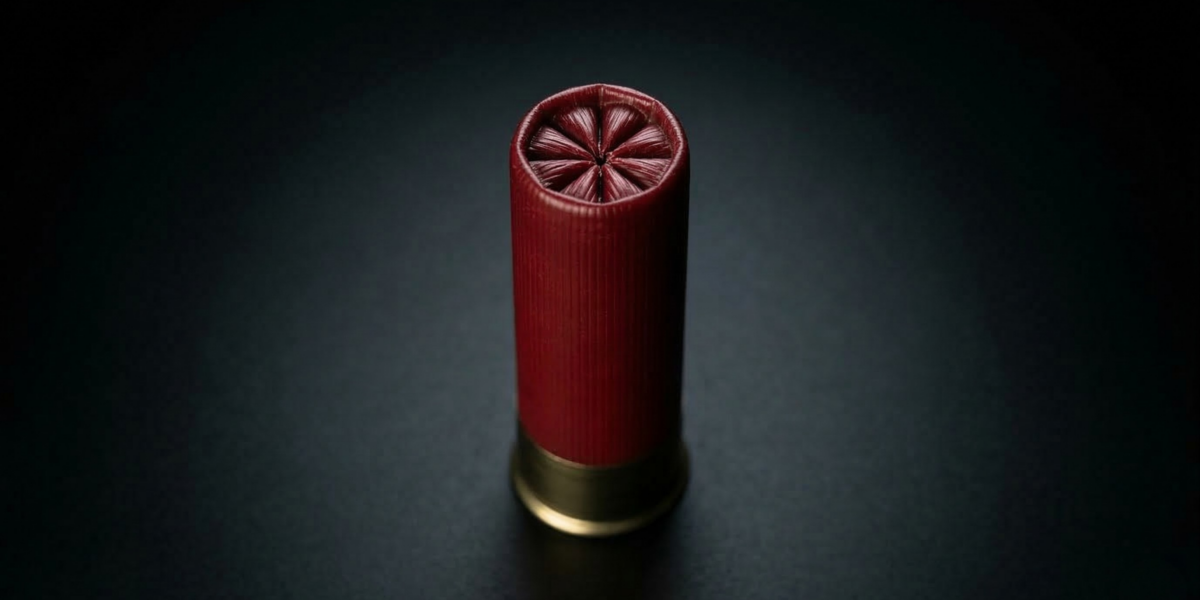
Shotgun ammo confuses a lot of people, even experienced shooters. What do all those numbers on a box actually mean, and how do you know which load is right for your hunt or home? The good news is that once you understand a few core concepts, shotgun shells start to tell a clear story.
At GrabAGun, we help customers sort through that story every day. Let’s walk through how shotgun ammo is built, what gauge really means, and how to match specific loads to real-world uses.
Shotgun Ammo Basics: How A Shell Is Built
Every modern shotgun shell follows the same basic blueprint:
- A hull, usually plastic, with a metal base
- A primer in the center of the base
- A measured powder charge
- A wad to cushion and carry the payload
- The payload itself: pellets for shot, or a single slug
All of this is sized to match a particular gauge and shell length. Gauge relates to the bore size of the shotgun, while shell length describes the length of the fired shell and must match the chamber length stamped on your barrel. For example, a 2¾-inch shell can be safely fired in a 3-inch chamber, but a 3-inch shell should never be fired in a 2¾-inch chamber.
Once you see shotgun ammo as powder plus payload, in a specific size tube, it gets much easier to compare options.
What Does Shotgun Gauge Really Mean?
Gauge is one of those old terms that seems backward until you know where it comes from. Instead of being a simple diameter measurement, gauge is based on how many lead balls of bore diameter it would take to equal one pound. That makes a lot more sense when you think of a shotgun bore as a device that contains and moves various quantities and sizes of lead balls.
That is why a 12 gauge is actually larger than a 20 gauge. Twelve lead balls of 12-gauge diameter weigh a pound. It would take twenty smaller balls of 20-gauge diameter to weigh the same.
In practical terms:
- 12 gauge is the most common and versatile, used for everything from clay targets and upland birds to deer and home defense.
- 16 gauge designed as a practical “sweet spot” between 12 and 20. It has nearly the power and payload of a 12ga, while handling somewhat like a 20ga. Some shooters love the 16ga, but it is now less common in retail.
- 20 gauge offers less recoil in a slimmer, lighter gun, popular with newer shooters and upland hunters.
- 28 gauge is primarily used in clay sports and by some upland hunters. Similar to how 16ga splits the difference between 12 and 20, 28ga splits the difference between 20 and 410.
- .410 bore is technically not a gauge at all, but a caliber. It is light-recoiling and can work for small game, clays, and even self defense in specific setups, but demands good marksmanship.
For most people, 12 and 20 gauge cover almost every shotgun role. The key is matching your shotgun shells to the exact gauge and chamber length marked on your barrel.
Shell Length, Shot Size, And Why Numbers Feel Backward
If gauge was not confusing enough, the numbers printed on shotgun ammo boxes can look upside down too.
Three quick rules simplify things:
- Shell length must not exceed your chamber length.
A 3 inch shell should never be fired in a 2 ¾ inch chamber. Use equal or shorter shells than the chamber length stamped on your shotgun. - Bigger shot number means smaller pellets.
In birdshot, #8 pellets are smaller than #6. Smaller pellets mean more pellets in each shell, which gives a denser pattern but less penetration. Just like bore gauge, shot sizes originated from a “how many pellets fit in a given space” methodology, with some exceptions. - Payload and velocity shape recoil.
Heavy loads with lots of shot at high feet-per-second kick more than lighter, slower loads in the same gun.
Once you know your gauge and chamber length, you can look at shot size and payload as fine-tuning tools for pattern density and penetration.
Birdshot, Buckshot, And Slugs: The Three Big Categories
Most shotgun ammo falls into one of three buckets: birdshot, buckshot, or slugs. Each has a clear job.
Birdshot: Pattern And Pellets For Small Targets
Birdshot uses many small pellets that spread into a wide pattern. It is ideal for:
- Clay targets
- Upland birds like dove, quail, and pheasant
- Small game where you want enough hits without destroying too much meat
Because the pellets are light, birdshot loses energy quickly and penetrates less deeply. That is perfect for small, fast targets at moderate ranges but not what you count on for larger, tougher animals.
Buckshot: Larger Pellets For Bigger Problems
Buckshot uses fewer, larger pellets like #4, #1, or 00. A typical 12-gauge 2 ¾ inch 00 buck shell carries 8 or 9 pellets, each roughly the size of a 9mm bullet.
Buckshot shines when you need:
- Stopping power on medium to large game at close range
- A proven patterning load for defensive shotguns
- A balance between spread and penetration
That is why so many recommended home-defense loads are quality 00 or #1 buckshot.
Slugs: Turning Your Shotgun Into A Big-Bore Rifle
Slugs replace pellets with a single, heavy projectile. They are designed for:
- Big game hunting where rifles are restricted or where you prefer a shotgun
- Precise shots at longer ranges than pellets can handle
- Specialized defensive roles that require tight groups and deep penetration
Rifled slugs are meant for smoothbore barrels, while sabot slugs are designed for rifled shotgun barrels or rifled choke tubes.
Matching Shotgun Ammo To Hunting Scenarios
A common question we hear is, “What shotgun shells should I use for this hunt?” The right answer always starts with the target.
- Upland birds and small game
Light to moderate birdshot in 12 or 20 gauge is the standard. Think #7½ or #8 for doves and clays, #6 or #5 for pheasant or rabbits, tuned to your shotgun and average range. - Waterfowl
Non-toxic shot like steel or bismuth is often required by law over water. Loads are usually heavier, with larger shot such as #2 or #3 in 12 or 20 gauge for ducks, and even larger for geese. - Turkey and larger game
Many hunters step up to heavier 12-gauge loads with larger, harder pellets or dense tungsten blends, patterned carefully through a tight choke. Slugs or larger buckshot loads can be used for deer where legal.
The pattern board is your best friend. Even the best shotgun ammo must be tested in your specific gun and choke to see how it prints at realistic field distances.
Choosing Shotgun Ammo For Home Defense
Another big search question is, “What shotgun ammo is best for home defense?” There is no one perfect answer, but there are some clear patterns in expert recommendations.
- Quality 00 or #1 buckshot in a 12 or 20 gauge is a top choice for most defensive shotguns, balancing spread, penetration, and stopping power.
- Some shooters choose lighter buckshot or larger birdshot at very close distances to manage recoil and over-penetration, though these options give up some reliability on tougher targets.
- Slugs are generally reserved for specific defensive needs where barriers or longer distances are involved, and they require disciplined aiming and backstop awareness.
Whichever load you choose, patterning your shotgun at likely distances inside your home is crucial. A defensive shotgun is aimed, not just pointed, and your shotgun shells will tell you how tight that pattern really is.
How To Choose The Right Shell For Your Shotgun
When you stand in front of a wall of shotgun ammo, here is a simple way to make a confident choice:
- Confirm your gauge and chamber length.
Check the markings on your barrel. That instantly filters out anything that does not belong in your shotgun. - Start with the purpose.
Are you shooting clays, hunting squirrels, chasing ducks, or setting up a home-defense shotgun? Purpose dictates type: birdshot, buckshot, or slugs. - Dial in shot size and payload.
Smaller shot numbers for bigger targets, larger numbers for smaller targets. Heavier, faster loads for longer range and more punch, lighter loads for less recoil and closer work. - Test pattern and recoil.
Take a few different shotgun shells to the range. See what patterns best at your typical distance and what your shoulder is willing to shoot over and over.
At GrabAGun, we stock a wide range of shotgun ammo so you can experiment intelligently, not just guess from a catalog.
Shotgun Ammo With A Purpose
Shotgun ammo can look like alphabet soup until you know how to read it. Once you understand gauge, shell length, shot size, and the basic roles of birdshot, buckshot, and slugs, every box starts to make sense.
Your job is not to memorize every combination. It is to match the right shotgun shells to your shotgun, your activity, and your comfort level, then let practice seal the deal. Whether you are walking a dove field, setting up for turkey, breaking clays, or staging a defensive shotgun at home, the right load is out there.
When you are ready to dial in your setup, explore our selection of shotgun ammo at GrabAGun, compare gauges and loads, and have the shells you need shipped in a way that complies with federal and state law where you live.
FAQs About Shotgun Ammo
1. Can I shoot a 3 inch shell in a 2 ¾ inch chamber?
No. You should never fire a longer shell than your chamber is designed to handle. A 3 inch shell in a 2 ¾ inch chamber can create dangerous pressures and mechanical problems. Always match or go shorter than the chamber length stamped on your barrel, and follow your shotgun’s manual.
2. Is birdshot a good choice for home defense?
Birdshot is excellent for small game and clay targets, but it is less reliable than buckshot at penetrating deeply enough on larger, determined threats. Many defensive shotgun instructors and tests point toward quality buckshot, such as 00 or #1, as a better all-around home-defense choice, assuming you understand your backstops and local laws.
3. Which gauge should a new shooter start with, 12 or 20?
It depends on the shooter. A 12 gauge is incredibly versatile and widely available, but it does produce more recoil. A 20 gauge offers lighter recoil and easier handling in a slimmer package, which many newer or smaller-framed shooters appreciate. Both can be very effective for hunting and clays when paired with appropriate loads.