
Semi-Automatic Shotguns: What to Know Before You Buy (Hunting, Home Defense & Range Use)
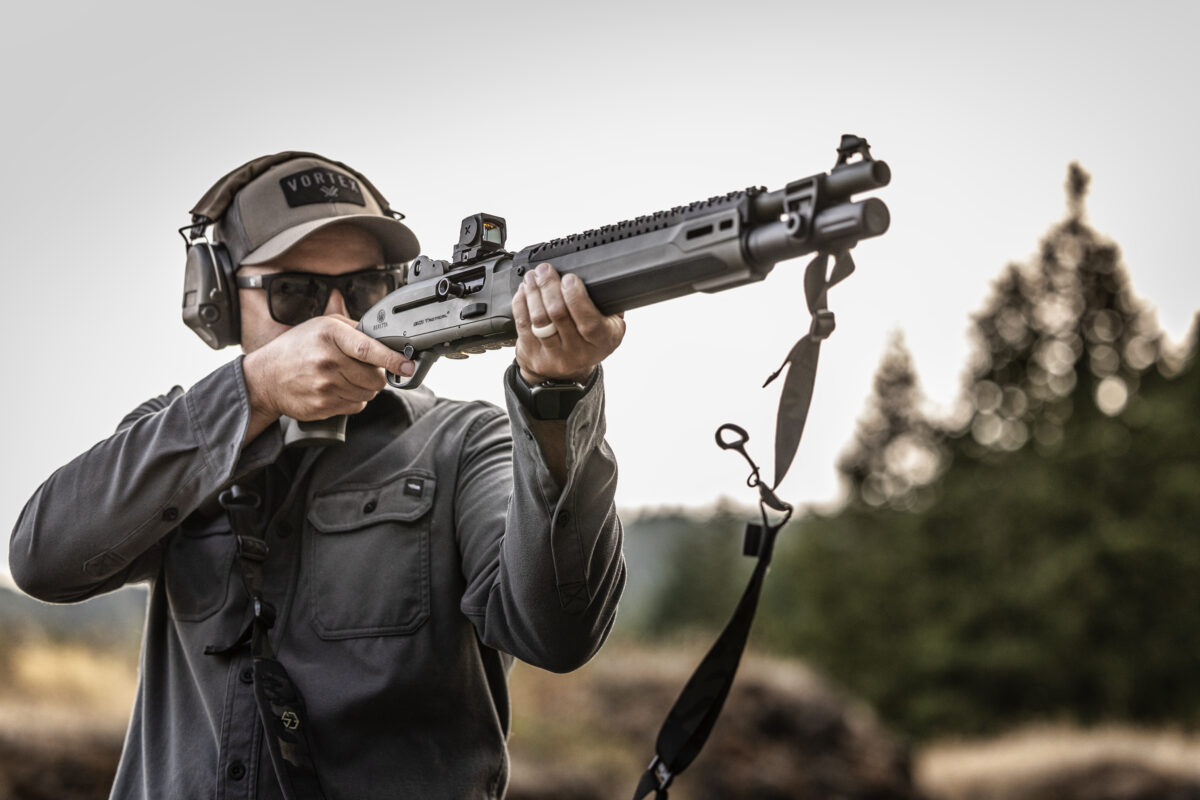
Semi-automatic shotguns sit in a sweet spot that a lot of shooters appreciate. They shoot fast, and they can be set up for everything from dove fields to defensive duty. The trick is buying the right one for how you actually plan to use it. A semi-auto that feels perfect on the sporting clays course may not be the one you want beside the bed, and the best waterfowl rig in the blind might feel like a boat anchor after a long day of walking.
If you keep your choices tied to purpose, fit, and reliability, you will end up with a shotgun you trust and enjoy, not one that just looks good on paper.
1. Choose the job first: hunting, home defense, or range
A semi auto shotgun can cover multiple roles, but you will make smarter decisions when you start with the role that matters most.
For hunting, think about weight, corrosion resistance, and performance with the loads you use most. If you are chasing birds, you will care about a steady swing and a setup that keeps patterns consistent. If you are headed for waterfowl, reliability in cold, wet conditions moves to the top of the list. You will also need to consider magazine limitations. For nearly all migratory birds, shotguns are limited to a total of 3 rounds, so large magazines don’t bring much advantage (outside of something like a conservation order Snow Goose season).
For home defense, handling and simplicity matter. You want controls you can run without thinking, a shotgun that cycles with confidence, and a setup that points naturally in close quarters.
For range use, comfort becomes king. Recoil reduction, smooth cycling, and easy cleaning make the difference between a shotgun you practice with once in a while and one you actually enjoy running hard.
If you want one shotgun to do it all, aim for balance. Do not overbuild for one scenario and accept compromises you will regret everywhere else.
2. Gas vs inertia: what the action means for recoil and upkeep
Most semi-auto shotguns run on one of two common systems. Both can be excellent, but they feel different and they ask different things of the owner.
A gas-operated (or gas piston) shotgun often shoots softer. The action uses gas from the fired shell to cycle, which can take some bite out of recoil. Many shooters also like gas guns because they tend to be forgiving with a wide range of loads. The tradeoff is that gas systems usually want a little more attention when it comes to cleaning, especially if you shoot a lot.
An inertia-driven shotgun is typically simpler and often lighter. Many are known for running well in tough conditions. The recoil impulse can feel sharper than a gas gun, and some inertia models can be more selective with very light target loads. Not always, but it is common enough to consider.
Neither choice is automatically “better.” If you want maximum comfort and load flexibility, gas is hard to beat. If you want a cleaner, simpler system and a lighter carry, inertia may be the better fit.
3. Gauge choice: 12 gauge vs 20 gauge in real life
Gauge is not just about power. It is about how the shotgun handles, how it recoils, and how easy it is to feed.
A 12 gauge shotgun is the most common, and for good reason. Ammunition is widely available, it can be loaded light for the range or heavy for hunting, and it is a proven all-around option for most buyers.
A 20 gauge shotgun often comes in a lighter package and can feel easier on the shoulder. It is a strong choice for many hunters, newer shooters, and anyone who values comfort, while still offering plenty of capability for birds and clays.
The best answer is the one you will practice with. Confidence matters, and confidence usually comes from reps.
4. Fit and handling: the most ignored factor that matters most
You can buy the finest shotgun in the world and still shoot it poorly if it does not fit you.
A good semi-auto should mount naturally and put your eye in line with the sighting plane without effort. If you have to crane your neck or fight the stock, your hits will suffer. Pay attention to length of pull, the shape of the grip, and whether the controls feel intuitive. This is especially important for a home defense shotgun, where smooth, repeatable handling is not optional.
When in doubt, choose the shotgun that points where you look. That is usually the one you will shoot best.
5. Barrel length and chokes: match the setup to how you shoot
Barrel length influences how a shotgun moves.
Longer barrels generally give a steadier swing, which is helpful for clays and many bird hunting situations. Shorter barrels can feel quicker and easier to maneuver, which many people prefer for defensive use.
If hunting is part of your plan, choke compatibility is worth your attention. Chokes let you tune pattern spread to distance and game, which is one of the simplest ways to make a hunting shotgun more versatile.
6. Reliability: what actually makes a semi-auto dependable
People talk about shotgun reliability like it is a mystery, but it usually comes down to a few basics.
First, match the shotgun to the loads you will actually shoot. Some semi-autos are tuned for heavier hunting loads while others are designed to run a wide range of ammunition. If the gun is not cycling the load you plan to use, reliability problems usually follow.
Second, keep the shotgun reasonably clean and properly lubricated. Semi-auto shotguns rely on moving parts and gas or inertia systems. Excess fouling or a completely dry action can slow those parts down and lead to failures to cycle.
Third, use quality ammunition. Inconsistent or very low-powered shells are a common cause of cycling problems in semi-automatic shotguns.
Sight setup can also affect practical reliability in defensive or hunting use. Most hunting shotguns use a ventilated rib with a front bead sight, usually a simple metal bead or a fiber optic bead that is easy to see. Many older defensive shotguns used only a single bead, and that setup worked well for decades because it is simple and durable.
Many modern tactical shotguns include both a front and rear sight for a more defined sight picture. Some newer shotguns designed for tactical applications, and some specialized hunting models, include a Picatinny rail so shooters can mount optics. The most common choice is a red dot sight, which some shooters find faster to acquire and easier to use under stress.
7. Practical buying tips: spend money where it counts
A smart semi-auto purchase is not about chasing the longest feature list. It is about choosing the right fundamentals.
Prioritize fit, a proven operating system, and a configuration that suits your main use-case. Then consider comfort upgrades that matter, like recoil pads, sling points for hunting, or sights suited to your intended role. Cosmetics are fine, and there are plenty of great finishes and furniture options out there, plus more, but they should come after the essentials.
Where GrabAGun fits in
When you are ready to shop semi-automatic shotguns, the advantage is having real options and a fair price without a bunch of noise. GrabAGun is known for low prices, a large selection, and a trusted reputation among shooters who want a straightforward experience. Whether you are looking for a hunting shotgun that runs clean in the field, a home defense shotgun with confident handling, or a range gun built for long sessions, having the right selection makes it easier to land on the right fit.