
Ruger LCR Review: Why This Lightweight Revolver Remains a Top Choice for Concealed Carry
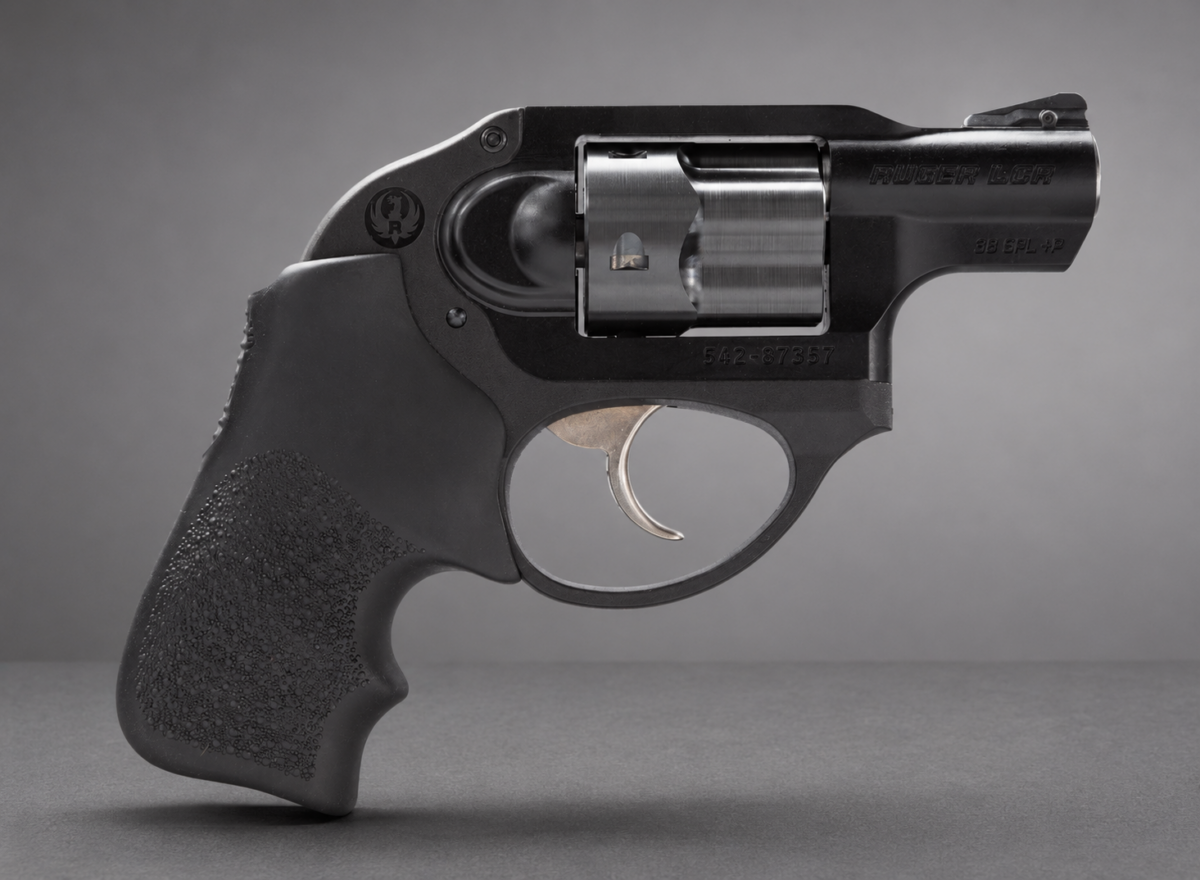
The Ruger LCR has been around long enough to prove it is more than a passing concealed carry trend. While the handgun market keeps moving toward higher-capacity micro-compacts, many shooters still want something simpler: a lightweight revolver that carries easily, draws cleanly, and does not require much thought to operate.
That is where the LCR continues to make sense.
It is compact without feeling gimmicky. It is light without feeling fragile. It is simple without being outdated. For concealed carry, backup use, or personal defense, the Ruger LCR remains one of the most practical revolvers in its class.
Shop the Ruger LCR at GrabAGun
What Makes The Ruger LCR Different?
The LCR is Ruger’s modern take on the compact defensive revolver. It keeps the basic strengths people like about small revolvers, then updates the design with lighter materials, a smoother trigger system, and a shape that works well for concealed carry.
The standard .38 Special +P model has a 1.87-inch barrel, a 5-round capacity, and weighs just 13.5 ounces. That puts it in a carry-friendly category for pocket carry, ankle carry, appendix carry, or inside-the-waistband carry with the right holster.
The enclosed hammer is another major advantage. There is no exposed spur to snag on clothing during the draw, which matters when a firearm is carried under a shirt, jacket, or cover garment. The revolver’s rounded profile also helps it disappear under clothing better than many people expect.
Ruger also gives the LCR a smoother double-action trigger than many traditional snub-nose revolvers. That matters because small revolvers can be hard to shoot well when the trigger stacks heavily or breaks inconsistently. A better trigger does not replace practice, but it does make practice more productive.
Why It Works So Well For Concealed Carry
A good concealed carry handgun has to do more than look good in a product photo. It has to be comfortable enough to carry every day, secure enough to trust in a proper holster, and simple enough to use when stress is high.
The Ruger LCR checks those boxes.
Its biggest advantage is carry comfort. At just over 13 ounces in the .38 Special model, the LCR is light enough that it does not feel like a burden by the end of the day. That matters because the best concealed carry gun is the one you will actually carry.
The second advantage is simplicity. The LCR is a double-action revolver. There is no manual safety to disengage, no slide to rack before loading, and no magazine to seat. You still need safe handling, good training, and regular practice, but the operating system is straightforward.
The third advantage is concealability. The short barrel, rounded frame, compact grip, and internal hammer make the LCR easy to hide under everyday clothing. It is not the thinnest handgun available, but its overall shape works well for concealed carry.
Choosing A Ruger LCR Caliber
The Ruger LCR is available in several calibers, and the best choice depends on how you plan to carry and train.
For most concealed carriers, the .38 Special +P model is the cleanest fit. It is the lightest common defensive version, recoil is manageable for many shooters, and .38 Special remains one of the classic revolver cartridges for personal defense.
The .357 Magnum model gives you more power and more flexibility. Since it can also fire .38 Special, you can practice with lighter loads and still have the option of carrying .357 Magnum. The tradeoff is recoil. In a revolver this small, .357 Magnum can be sharp, especially for newer shooters.
The 9mm version makes sense for people who already shoot 9mm and want to keep their ammunition simple across multiple handguns. The .22 LR version is better suited for low-recoil practice, training, or shooters who are especially recoil-sensitive.
The right answer is not always the most powerful option. It is the option you can carry comfortably and shoot confidently.
How The LCR Handles At The Range
The LCR is easy to carry, but it still behaves like a lightweight revolver. That means recoil is more noticeable than it would be in a larger, heavier handgun.
With .38 Special loads, most shooters will find it manageable with practice. The grip helps, and the trigger is smoother than many small revolvers. With .357 Magnum, recoil becomes more demanding. Some shooters like the extra power. Others will find that faster, more accurate follow-up shots come easier with .38 Special.
That is not a flaw. It is the normal tradeoff of a lightweight carry gun. Less weight on the belt usually means more felt recoil at the range.
For a defensive revolver, the goal is not to shoot tiny groups at long distances. The goal is to build enough comfort and consistency that you can make accurate hits at realistic defensive distances. The LCR can do that, but it rewards practice.
Where The Ruger LCR Falls Short
No handgun is perfect, and the LCR is not trying to be everything.
Capacity is the obvious limitation. Most defensive LCR models hold five rounds. That is less than many modern compact and micro-compact pistols. Reloading also takes more practice with a revolver, even with speed loaders or speed strips.
The sights are another practical limitation. A short-barreled revolver gives you a shorter sight radius, which can make precision shooting more difficult. That is expected in this category, but it is worth knowing before buying.
Recoil is also part of the conversation. The lighter the gun, the more you feel. The LCR carries beautifully because it is light, but that same feature means you should spend real time practicing with your chosen carry load.
These are not dealbreakers for the right buyer. They are simply the tradeoffs that come with a small defensive revolver.
Who Should Consider The Ruger LCR?
The Ruger LCR is a strong option for shooters who want a simple, lightweight revolver for concealed carry. It fits buyers who value easy operation, clean draw characteristics, and a compact design more than maximum capacity.
It also makes sense as a backup gun for experienced carriers, a low-profile option for deep concealment, or a practical revolver for people who prefer the feel and function of a wheel gun.
It may not be the best choice for someone who wants the highest round count, the fastest reloads, or the softest recoil. Those buyers may be better served by a compact semi-auto pistol.
But for the shooter who wants a dependable, easy-to-carry revolver, the LCR still earns its place.
Final Thoughts
The Ruger LCR has stayed relevant because it understands its purpose. It is light, compact, smooth, and simple. Those traits matter for concealed carry, especially for people who want a revolver that can be carried comfortably day after day.
It is not the newest idea in the handgun case, and it does not need to be. The LCR works because Ruger focused on the things concealed carriers notice most: weight, trigger feel, concealability, and ease of use.
Shop Ruger LCR revolvers at GrabAGun to compare available models, calibers, and prices, and find the option that fits the way you carry.
FAQ
Is The Ruger LCR Good For Concealed Carry?
Yes. The Ruger LCR is lightweight, compact, and designed with an enclosed hammer, which makes it easy to conceal and less likely to snag during the draw.
What Is The Best Ruger LCR Caliber For Carry?
The .38 Special +P model is the best fit for many concealed carriers because it offers a strong balance of low weight, manageable recoil, and practical defensive performance.
Is The Ruger LCR Hard To Shoot?
It is not hard to operate, but it does take practice to shoot well. Like most lightweight revolvers, the LCR has more felt recoil than a larger handgun, especially in .357 Magnum.