
Best Optics For Turkey Hunting: Red Dots, Scopes, Or Bead Sights?
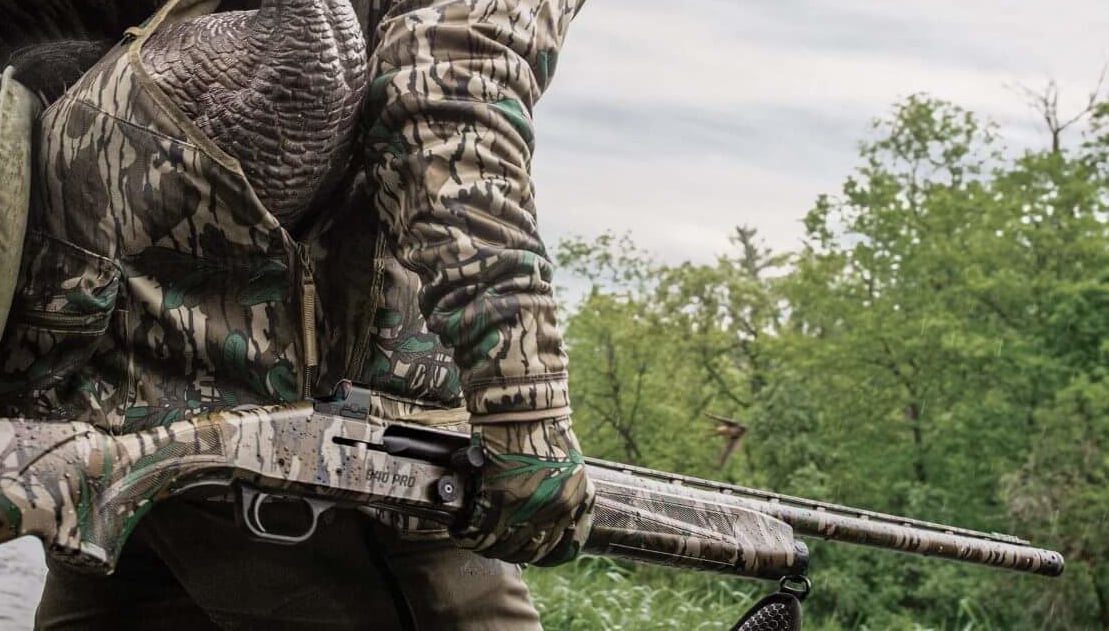
What is the best optic for turkey hunting? For most hunters today, it is a red dot. That does not mean scopes are wrong or bead sights are obsolete. It means red dots solve the exact problem turkey hunters run into most often: making a precise shot under pressure with a shotgun that may not be shouldered perfectly in a fast, awkward moment. That is a big reason red dots have become so common on modern turkey guns, especially as more shotguns arrive optics-ready from the factory and more turkey-specific setups are built around tight patterns and careful shot placement.
The better way to think about this question is not which sighting system is best in the abstract. It is which one fits how you hunt. A bead sight is the simplest and lightest option. A scope can make sense for a very specific kind of setup. A red dot sits in the middle and tends to give most turkey hunters the best mix of speed, visibility, and precision. That is why it has become the default recommendation for so many dedicated turkey guns.
Why Optics Matter More In Turkey Hunting Than Some Hunters Admit
Turkey hunting creates a strange kind of pressure. The shot is usually close, but it is not casual. You are aiming at a small vital area on a bird that moves, bobs, turns, and rarely gives you the clean, frozen presentation hunters imagine in their heads. Add adrenaline, a tight choke pattern, and an imperfect cheek weld, and suddenly a “simple shotgun shot” is not all that simple.
That is why sighting systems matter. The more precise your pattern, the more important it becomes to know exactly where that pattern is centered. Turkey hunters who move from a bead to a red dot often do it for the same reason: they want to take some guesswork out of the shot. Mossberg says red dots have helped reduce misses and crippled birds, while the NWTF (National Wild Turkey Federation) notes that red dots help when excitement or poor shouldering would otherwise pull the pattern off target.
Red Dots For Turkey Hunting
If this article needs one clear answer, it is this: red dots make the most sense for the widest range of turkey hunters.
They are fast. They are easy to see in changing light. They give you a precise aiming point without narrowing your field of view the way a magnified optic can. And they work especially well on shotguns, where the challenge is often not seeing farther, but seeing more clearly and aiming more deliberately in the moment.
That is why so much current turkey-optics coverage leans in this direction. Mossberg calls red dots a game-changer for turkey hunters. Leupold frames the advantage around fast target acquisition and a clear aiming point. Outdoor Life’s current 2026 roundup makes the same case, emphasizing speed and precision for ethical shots.
Why hunters like red dots on turkey guns:
- Faster target acquisition at realistic turkey distances
- A clearer aiming point than a simple front bead
- Better precision with tight-patterning turkey loads
- Less chance of shooting high when excitement affects your cheek weld
- A strong fit for modern optics-ready turkey shotguns
Red dots are not magic, though. They still need to be mounted properly, patterned, and kept at a brightness level that works in the woods. Too much brightness can bloom the dot and make it less precise. Too little can make it hard to pick up against a dark bird in heavy cover. The best red dot setup is the one that stays simple, durable, and easy to read when your heart rate jumps.
When A Scope Makes Sense For Turkey Hunting
Scopes are not the first answer for most turkey hunters, but they are not a bad answer either. They make the most sense for hunters who want a more deliberate aiming picture, expect slightly longer shots within ethical limits, or simply prefer the familiarity of a magnified optic.
A low-power scope can help if your eyesight makes a bead or red dot less crisp than it should be. It can also help on specialized turkey rigs where the hunter wants a little more visual detail at the moment of truth. That said, scopes bring trade-offs that matter in the turkey woods. They add bulk. They narrow your field of view. They can feel slower when a bird appears suddenly at close range. And on a shotgun, more optic is not always more useful.
That is why scopes usually make sense in narrower cases:
- Hunters who want some magnification because of eyesight or target clarity
- Dedicated turkey guns where a slower, more deliberate setup is acceptable
- Shooters who simply trust a scope more than an unmagnified optic
- Setups that are already optimized around a rail, stable mount, and careful patterning
For everyone else, a red dot often gets you most of the practical benefit with fewer downsides. GrabAGun’s optics selection reflects that split well, with both dedicated red dots and a large range of scopes for hunters building around different preferences.
Why Bead Sights Still Have A Place
It would be a mistake to talk about turkey optics like bead sights are somehow wrong now. They are not. A bead is still the lightest, simplest, most failure-proof option of the three. No battery. No glass. No controls. No extra mounting hardware.
And there is a reason many experienced hunters still trust one. A bead keeps the gun trim, familiar, and uncluttered. The NWTF even makes the point directly: there is no replacing the reliability of a bead sight. That is still true.
But reliability is not the whole story. The problem with a bead is that it gives you the least feedback when the shot gets hurried or the mount gets sloppy. On a looser-patterning shotgun, that may not matter as much. On a tightly patterned turkey gun, it can matter a lot.
A bead sight still makes sense for:
- Hunters who have used one for years and shoot it well
- Traditional setups where simplicity matters most
- Lightweight guns where adding an optic feels unnecessary
- Hunters who prioritize zero maintenance over extra precision
The key is honesty. If you consistently center birds with a bead and know exactly where your gun patterns, there is no rule saying you need to modernize. But if you have ever missed high, rushed a shot, or wished for a clearer aiming point, that is where the case for a red dot gets very strong.
So Which Is Best For Turkey Hunting?
For most hunters, the answer is a red dot.
It gives you more precision than a bead without the extra visual narrowing and bulk that can come with a scope. It fits the way turkey hunts actually unfold: sudden movement, awkward shooting positions, close-to-moderate distances, and a need for fast confidence when the window opens.
A scope is more specialized. A bead is more traditional. A red dot is usually the sweet spot.
That does not mean every hunter should switch. It means the modern turkey gun has changed, and optics have changed with it. As turkey loads, choke performance, and shotgun pattern density have improved, sighting systems have become more important, not less. The best setup is the one that helps you place the pattern exactly where it needs to go when the bird is finally in range.
Choose The Sight That Matches How You Really Hunt
Turkey gear gets overcomplicated fast. This decision does not have to be. If you want the simplest setup and already trust your gun, a bead sight still works. If you want a more specialized, magnified aiming system, a scope can make sense. But if you want the best mix of speed, precision, and practical field use, a red dot is the strongest answer for most turkey hunters right now.
Choose the optic that matches the way you actually hunt, not the one that sounds the most technical on paper. Then pattern your shotgun, confirm your point of impact, and head into the season with a setup you trust. Explore GrabAGun’s optics section here.
FAQ
Are Red Dots Better Than Bead Sights For Turkey Hunting?
For most hunters, yes. Red dots provide a more precise aiming point and help reduce the chance of shooting high when excitement affects your mount or cheek weld. That is why they have become so popular on turkey guns.
Is A Scope Too Much For A Turkey Gun?
Not always, but it is more specialized. A scope can help hunters who want magnification or a more deliberate sight picture, but many turkey hunters find a red dot faster and more natural in real field conditions.
Do You Really Need An Optic For Turkey Hunting?
No. A bead sight still works well for many hunters, especially those who know their gun and pattern it carefully. But as turkey guns have become more precise, many hunters now prefer optics, especially red dots, for added confidence and shot placement.