
AR-15 Buffer Weights Explained: Carbine vs H/H2/H3, Ejection Clues, and When to Go Heavier
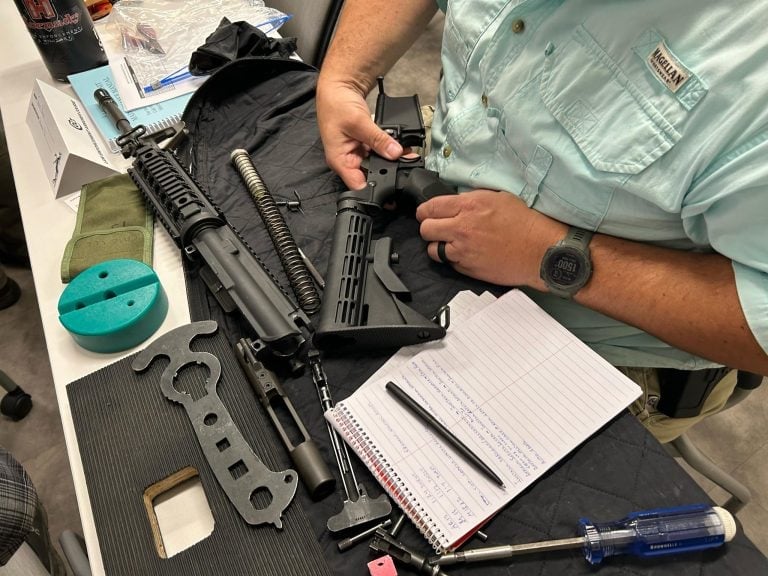
The AR-15 Buffer Weights on your rifle can feel like black magic. Do you stick with a basic carbine buffer or jump to H, H2, or H3 when brass starts flying forward? The honest answer is that you choose buffer weight based on what your rifle is telling you in recoil, ejection pattern, and reliability, not on internet one-size-fits-all charts.
AR-15 Buffer Weights 101: What They Actually Do
Inside the buffer tube, your buffer and spring control how fast the bolt carrier group (BCG) moves. Heavier AR-15 buffer weights slow the BCG down, lighten perceived recoil, and reduce parts wear in “hotter” or overgassed setups. Lighter weights let the system cycle easier in marginal or undergassed builds.
Typical weight ranges look like this for a carbine-length tube:
- Carbine buffer – around 3.0 oz
- H / H1 buffer – about 3.8 oz
- H2 buffer – about 4.6–4.7 oz
- H3 buffer – about 5.0–5.4 oz
- Rifle buffer – around 5.1–5.3 oz (longer body, used with rifle-length tubes)
All of these do the same basic job. They just change the timing and speed of the system. The trick is matching the buffer to your gas length, barrel, ammo, and whether you are shooting suppressed.
Carbine Buffer vs H/H2/H3: What Is The Difference?
If you buy a basic 16 inch AR from a major manufacturer, it probably ships with either a carbine buffer or an H (H1) buffer. Carbine buffers use three steel weights. H-series buffers swap some of that steel for tungsten to increase mass in small steps.
In general:
- A carbine buffer is the lightest common option and works in many standard 5.56 carbines.
- An H / H1 buffer adds a bit of weight to calm down slightly overgassed or short-barreled setups.
- An H2 buffer is often used with mid-length gas or 14.5 inch carbines that run hot, and in many AR pistols with carbine-length tubes.
- An H3 buffer is typically reserved for very overgassed 5.56 carbines or larger calibers like .300 BLK, 7.62×39, or big-bore rounds that still use a carbine tube.
There is no magic “best” weight. The right choice depends on how your rifle runs. Charts are a starting point, not a substitute for watching your ejection pattern and reliability on the range.
How Ejection Patterns Help You Read Buffer Problems
One of the easiest diagnostics lives right at your feet: where your brass lands. Ejection pattern is not perfect science, but it is a useful clue when you are deciding whether to change buffer weight.
Most reputable sources agree on a basic “clock face” guide when viewed from above:
- 3:00-4:30 – Healthy gas and timing for most ARs
- 12:00-3:00 – Forward ejection is a classic sign of an overgassed or over-speed system
- 4:30-6:00 – Weak, rearward ejection can signal undergassing or too much resistance
If your carbine is throwing brass forward to 1-2 o’clock and launching it far, you probably have more gas and bolt speed than you need. A heavier buffer, stiffer spring, or reduced gas flow can all help.
On the other hand, if your brass dribbles out around 5 o’clock and you see short-stroking or failures to lock back, your setup may be undergassed or running too heavy a buffer for the ammo and barrel you are using.
Ejection pattern is a symptom, not a verdict. But it is a simple way to decide whether experimenting with heavier or lighter AR-15 Buffer Weights is worth your time.
When Should You Go To A Heavier Buffer?
A big long-tail question behind AR-15 Buffer Weights is essentially: “How do I know when it is time to go heavier?”
Common signs that your rifle is a good candidate for an H, H2, or H3 instead of a basic carbine buffer include:
- Ejection forward of 3 o’clock with strong distance
- Sharper-than-expected recoil for a 5.56 carbine
- Beat up brass with heavy rim damage or dented case mouths
- Noticeable gas blowback at the ejection port, especially with a suppressor
- The action sounds “slappy” or violently fast when cycling
In those cases, a heavier buffer can:
- Slow the BCG slightly and reduce bolt speed
- Soften felt recoil
- Reduce parts wear and bolt bounce
- Help tame overgassed behavior if you do not have an adjustable gas block
Most experienced builders recommend using the heaviest buffer your rifle will still run reliably with using your typical ammo, in all the configurations you care about (suppressed and unsuppressed if that applies).
“Run reliably” here means:
- It locks back on an empty magazine
- It feeds consistently from full magazines
- It does not short-stroke or give weak ejection when dirty or cold
If you go too far and reliability starts to slip, back down one step in weight.
Do You Need Different Buffer Weights For Suppressors Or Short Barrels?
Another common search question is: “Do I need a heavier buffer when I shoot suppressed?”
A suppressor effectively adds backpressure to your system, which raises bolt speed and can make an already gassy rifle feel noticeably harsher. That is why many shooters move from a carbine buffer to an H2 or even H3 in suppressed 5.56 setups, especially with 10.5 to 14.5 inch barrels.
Similarly, very short barrels and some alternative calibers often benefit from heavier AR-15 Buffer Weights because they run higher port pressures and transmit more energy into the gas system. A heavier buffer helps:
- Keep the bolt closed a little longer
- Reduce carrier velocity
- Cut down on battering inside the receiver
That said, a buffer is only one lever. Adjustable gas blocks, different port sizes, and quality springs are often the better long-term fix if a rifle is badly overgassed. Heavier buffers are a simple, accessible way to bring an already functional rifle closer to the sweet spot without rebuilding the whole upper.
Practical Tuning Guidelines For Everyday Shooters
You do not need to be a gunsmith to make sense of AR-15 buffer weights. A practical, low-drama approach looks like this, and remember you can tune the rifle from either end: at the gas (adjustable gas block) or at the receiver (buffer and spring). Many setups run great with just one of those paths, so you may not need both.
- Start With What You Have. Note your current buffer type, spring, gas system length, barrel length, muzzle device or suppressor use, and ammo.
- Watch Ejection And Feel. Pay attention to ejection angle and distance, plus how the rifle recoils and returns to target.
- Pick One Tuning Direction First.
- Buffer-side tuning: If you suspect overgassing with a standard carbine buffer, try an H or H2 and see if ejection shifts closer to 3-4 o’clock while reliability stays solid.
- Gas-side tuning: If you have an adjustable gas block, you can reduce gas instead of adding reciprocating mass. That often softens recoil and lowers wear, especially on suppressed rifles. Open gas just enough to run reliably and lock back.
- Buffer-side tuning: If you suspect overgassing with a standard carbine buffer, try an H or H2 and see if ejection shifts closer to 3-4 o’clock while reliability stays solid.
- Change One Thing At A Time. Whether you adjust gas or swap buffers, make a single change, then retest. Stacking changes makes it hard to know what actually helped.
- Test Across Conditions. Do not judge a buffer or gas setting on five rounds. Test with different magazines, a few ammo types, and at least a couple of full mags. Confirm lock-back on empty.
- Do Not Forget The Spring. A quality carbine spring, or a slightly stiffer spring, can smooth cycling alongside a heavier buffer. If you are tuning gas, the right spring still matters for consistent feeding and lock-back.
The goal is simple: a rifle that cycles smoothly, locks back reliably, throws brass to roughly 3-4:30, and does not feel harsh in recoil. Once you are there, you are tuned enough for most practical uses.
Buffer Choices That Actually Match How You Shoot
Once you understand AR-15 Buffer Weights, it is easier to see them as tools instead of mystery parts. Carbine, H, H2, and H3 buffers all live on the same spectrum. Your job is just to find the spot where your rifle runs cleanly, brass lands where it should, and the gun feels predictable every time you press the trigger.
At GrabAGun, our focus is helping you get there with parts that make sense for how you shoot, not just what is trendy. Whether you are building a first AR, tuning a suppressed SBR, or refreshing a well-used carbine buffer system, you can explore AR-15 buffer weights, springs, buffer tubes, and complete rifles in our online store and put together a setup that actually matches your real-world use.
FAQ
What AR-15 buffer weight is best for a 16 inch carbine gas rifle?
Most 16 inch carbines with carbine-length gas systems ship with either a carbine buffer or an H (H1) buffer around 3.8 oz, which works well for many rifles. If you see strong forward ejection, sharp recoil, or beat up brass, stepping up to an H2 is a common and reasonable next move, as long as the rifle still locks back and cycles reliably with your usual ammo.
Will a heavier buffer hurt reliability if I shoot unsuppressed sometimes?
A slightly heavier buffer like an H or H2 typically does not hurt reliability in a correctly gassed rifle and can actually reduce wear. Problems tend to show up only when the buffer is so heavy that the gun begins to short-stroke or fails to lock back on empty. If your rifle runs cleanly both suppressed and unsuppressed, ejects around 3-4:30, and passes basic function tests, your buffer choice is likely in the safe zone.
Do I need to change buffer weight or gas first on an overgassed AR?
From a pure engineering standpoint, adjusting the gas system with an appropriate port size or an adjustable gas block is the most direct solution to an overgassed rifle. In the real world, many shooters start with heavier AR-15 Buffer Weights because they are cheaper and drop in without changing the upper. If a modest buffer increase and good spring bring ejection and recoil into line while keeping reliability rock solid, that is often “good enough.” If you are still seeing harsh behavior, it is worth looking at the gas system next.